phone: +974 4 409 5443 | 50024300
email: [email protected]
SHOP NUMBER 1,BUILDING NUMBER 2,BARWA VILLAGE,WAKRA

Everything About LED Panel Lights: Types, Benefits, Applications & Buying Guide
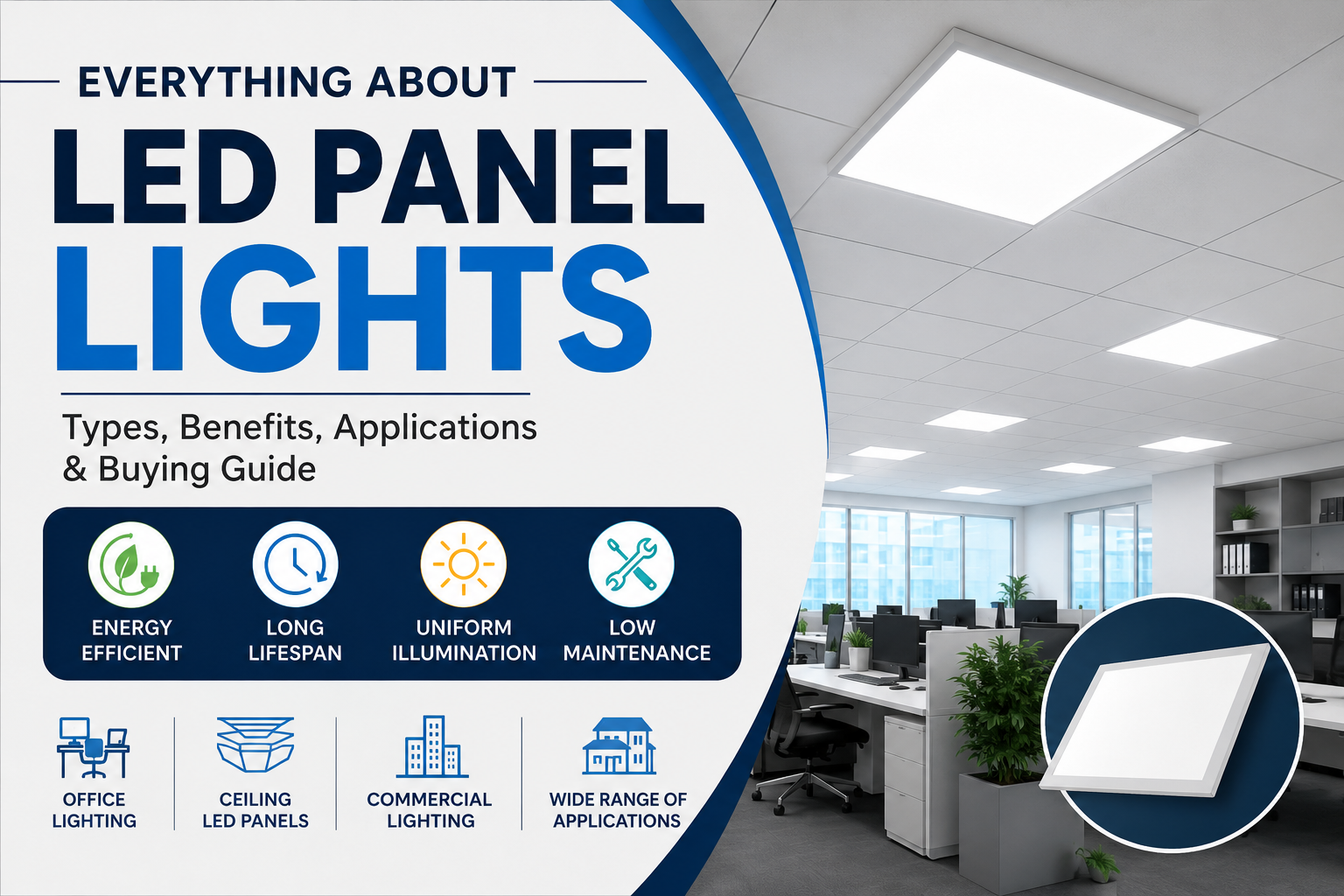
Everything About LED Panel Lights: Types, Benefits, Applications & Buying Guide
Modern panel lighting has become one of the most popular solutions for homes, offices, schools, hospitals, retail stores, and commercial buildings. These slim, energy-efficient fixtures provide broad and uniform illumination while maintaining a clean and contemporary appearance.
If you are planning a lighting upgrade or designing a new interior, understanding how panel lighting works, the different types available, and the key factors to consider can help you make an informed decision.
This guide covers everything from working principles and installation methods to applications, specifications, and buying tips.
Quick Answer: What Are LED Panel Lights?
LED Panel Lights are flat lighting fixtures that use light-emitting diodes to produce broad, even illumination for indoor spaces. They are available in recessed, surface-mounted, suspended, edge-lit, and back-lit designs and are commonly used in homes, offices, schools, hospitals, and commercial buildings.
Their slim construction, efficient performance, and flexible installation options make them suitable for both renovation projects and new construction.
How Do Panel Lights Work?
These fixtures convert electrical energy into visible light through semiconductor-based LED chips.
A typical panel consists of:
- LED chips that produce light.
- A driver that regulates electrical power.
- A diffuser that spreads light evenly.
- An optical guide or reflector that directs illumination.
- A frame or housing that supports the fixture.
- Heat-management components that help control operating temperature.
When power reaches the driver, it supplies the correct current to the LEDs. The optical components then distribute the light across the panel surface, creating broad illumination from a relatively thin fixture.
Why Are They So Popular?
The growing demand for panel lighting is driven by several practical benefits.
Energy Efficiency
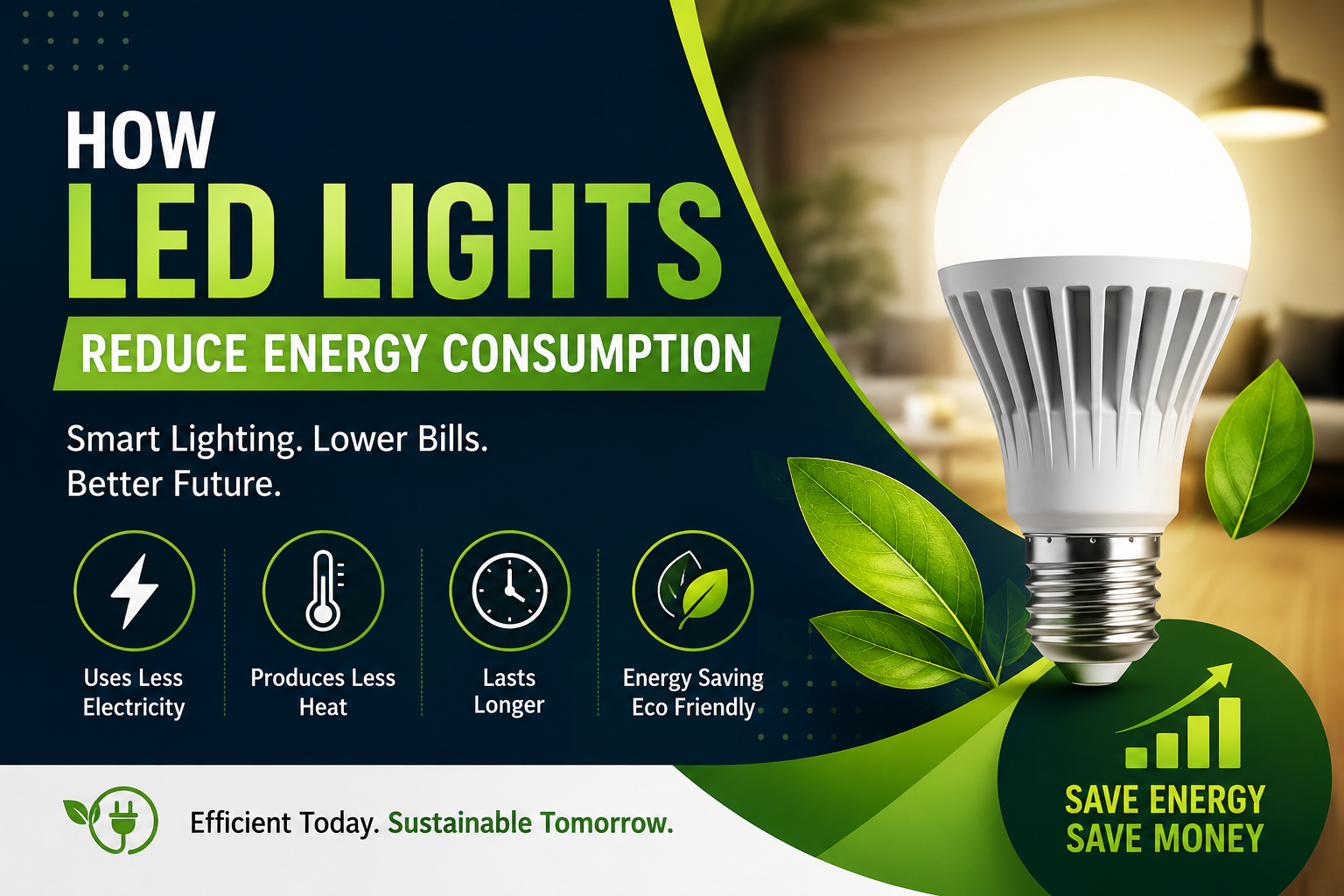
LED technology generally consumes less electricity than traditional fluorescent lighting for similar applications.
This can help reduce energy consumption in spaces where lights operate for long hours.
Long Service Life
Quality fixtures are designed to operate for many years.
This can reduce:
- Replacement frequency
- Maintenance requirements
- Labour costs
- Disruption in commercial environments
Actual service life depends on product quality, operating conditions, and installation.
Uniform Illumination
The diffuser and optical system help spread light across a wide surface.
This can reduce strong hotspots and uneven lighting, making these fixtures suitable for workspaces and general indoor environments.
Slim Design
Their thin profile allows them to blend neatly into modern ceilings without the bulky appearance of older fixtures.
Multiple Colour Temperatures
Common options include:
- 2700K–3000K: Warm white
- 4000K: Neutral white
- 5000K–6500K: Cool white
The best choice depends on the purpose of the room.
Low Maintenance
Long operating life generally means fewer lamp replacements and lower routine maintenance requirements.
What Types Are Available?
Different designs are available to suit different ceilings and applications.
Recessed Panels
These are installed into a false or grid ceiling so that the fixture sits nearly flush with the ceiling surface.
Common applications include:
- Offices
- Schools
- Hospitals
- Retail stores
- Commercial buildings
Surface-Mounted Panels
These fixtures are mounted directly onto the ceiling.
They are useful when there is not enough ceiling depth for recessed installation.
Suspended Panels
Suspended fixtures hang below the ceiling using cables or mounting systems.
They are often used in:
- Modern offices
- Studios
- Showrooms
- Creative workspaces
Edge-Lit Panels
LEDs are positioned around the edges, and an optical guide distributes the light across the panel.
This design allows for very slim fixtures.
Back-Lit Panels
The LEDs are positioned behind the diffuser.
This arrangement can provide consistent illumination and is widely used in commercial applications.
Why Are They Ideal for Office Lighting?
Good office lighting should provide sufficient brightness while maintaining visual comfort for employees.
Panel fixtures are widely used in offices because they can illuminate:
- Desks
- Meeting rooms
- Corridors
- Reception areas
- Open workspaces
When selecting lighting for an office, consider:
- Lumen output
- Colour temperature
- Glare control
- CRI
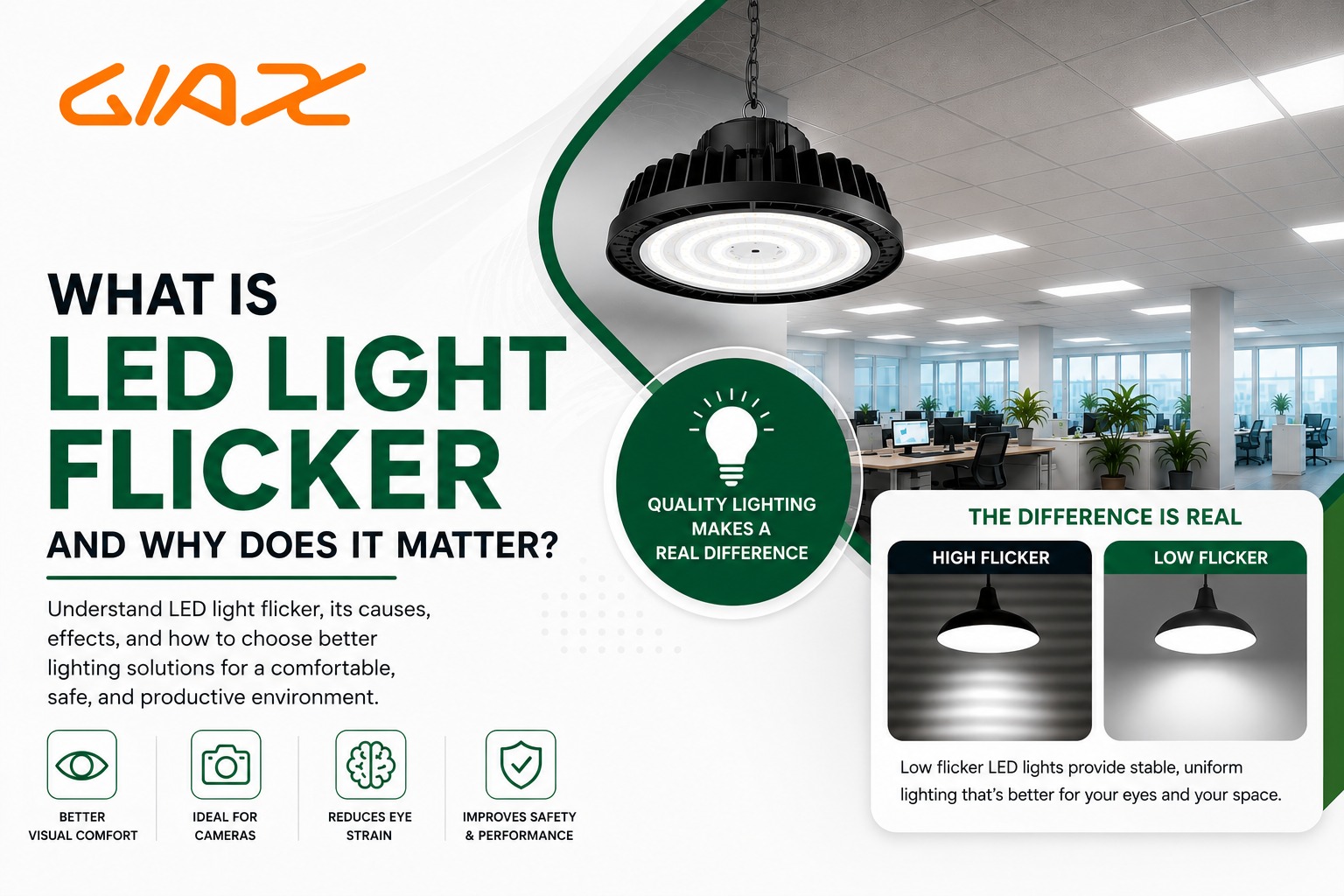
- Flicker performance
- Fixture spacing
- Ceiling type
A neutral white colour temperature around 4000K is often considered a versatile choice for many office environments.
What Are Ceiling LED Panels?
Ceiling LED panels are flat fixtures designed to be installed within, on, or below a ceiling.
Depending on the installation method, they can be:
- Recessed
- Surface mounted
- Suspended
Before purchasing, check the dimensions of the ceiling opening and ensure the mounting system is compatible with the fixture.
How Are They Used in Commercial Lighting?
Panel fixtures are widely used for commercial lighting because businesses often require reliable illumination for extended operating hours.
Typical applications include:
- Retail stores
- Offices
- Supermarkets
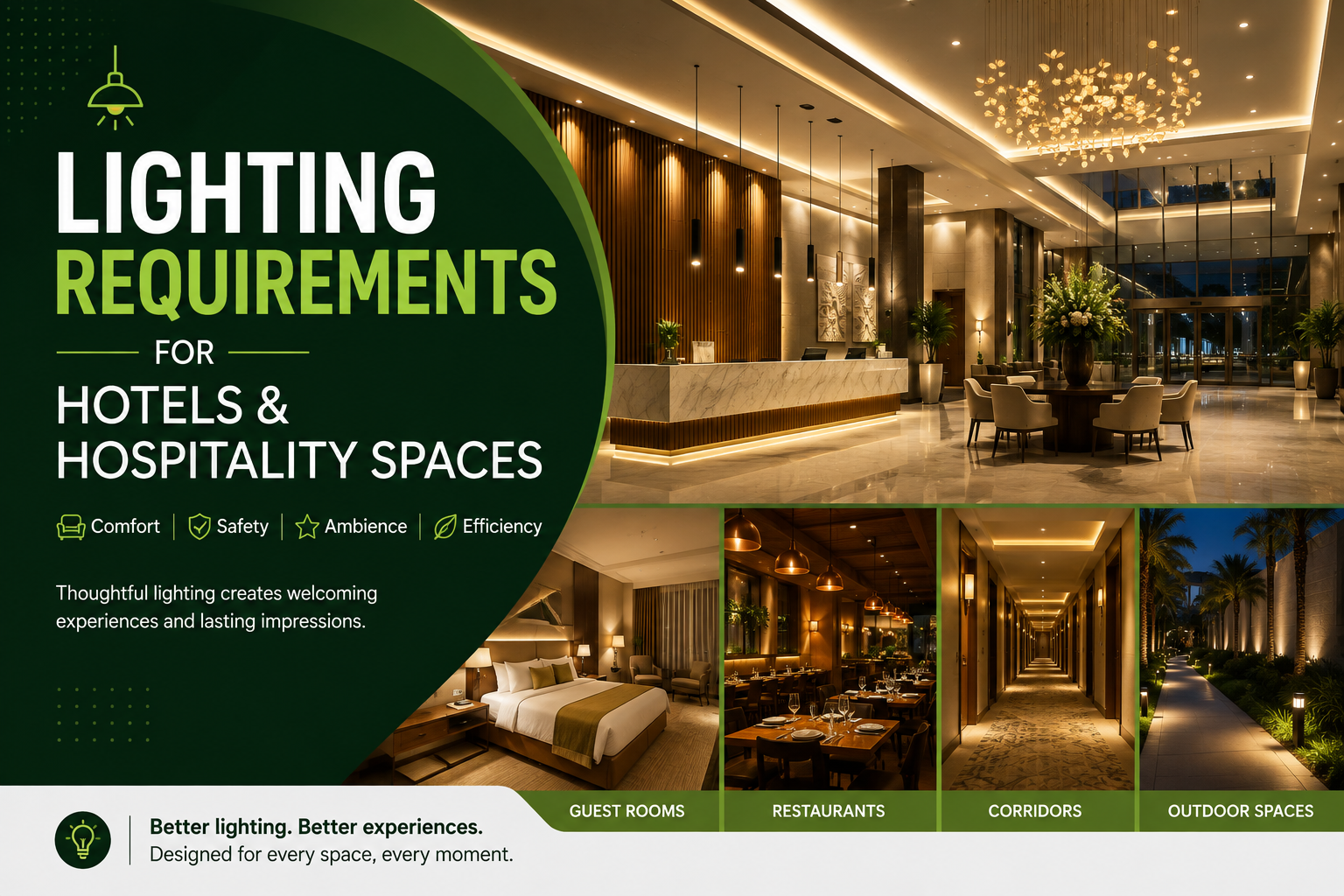
- Hotels
- Educational institutions
- Healthcare facilities
- Showrooms
- Conference rooms
- Reception areas
For larger projects, lighting should be selected according to room dimensions, ceiling height, activity, glare requirements, and maintenance needs.
What Is the Difference Between Wattage and Lumens?
Wattage and lumens measure different things.
- Wattage indicates electrical power consumption.
- Lumens indicate the amount of visible light produced.
A higher wattage does not necessarily mean a brighter fixture.
When comparing products, check:
- Total lumens
- Lumens per watt
- Colour temperature
- CRI
- Light distribution
Two fixtures with the same wattage may produce different light outputs because of differences in LED chips, drivers, and optical design.
Which Colour Temperature Should You Choose?
Warm White (2700K–3000K)
Suitable for:
- Homes
- Lounges
- Hospitality spaces
Neutral White (Around 4000K)
Suitable for:
- Offices
- Schools
- Shops
- General commercial interiors
Cool White (5000K–6500K)
Suitable for:
- Workspaces
- Retail environments
- Utility areas
The correct colour temperature depends on the intended use of the space.
What Is CRI?
CRI stands for Colour Rendering Index.
It indicates how accurately colours appear under a light source compared with a reference light source.
A higher CRI generally means that colours look more natural.
Applications such as retail, photography, design, and galleries often place greater emphasis on colour rendering.
Are LED Panel Lights Good for Offices?
Yes. LED Panel Lights are commonly chosen for offices because they provide broad illumination in a slim, professional-looking fixture.
However, lighting comfort also depends on:
- Glare
- Flicker
- Brightness
- Colour temperature
- Fixture placement
- Screen reflections
Proper lighting design is just as important as selecting the fixture itself.
How Do You Choose the Right Panel?
Consider the following factors before buying.
Measure the Room
Room size and ceiling height affect the amount of lighting required.
Check Lumen Output
Compare lumen output rather than relying only on wattage.
Select the Colour Temperature
Choose warm, neutral, or cool white based on the room's purpose.
Check CRI
If colour accuracy matters, select a fixture with an appropriate CRI.
Check Installation Type
Confirm whether you need:
- Recessed
- Surface-mounted
- Suspended
Check Dimensions
Ensure the fixture fits the available ceiling opening or mounting area.
Evaluate Driver Quality
A reliable driver contributes to stable operation and long-term performance.
Consider Dimming
Dimmable models can provide greater control over lighting levels in offices and commercial spaces.
Panel Lighting vs Fluorescent Lighting
| Feature | Panel Lighting | Fluorescent Lighting |
| Energy efficiency | Generally high | Generally lower |
| Design | Slim | Bulkier |
| Maintenance | Lower | Higher |
| Start-up | Instant | May require warm-up |
| Colour options | Wide range | Limited |
| Mercury | No mercury in the LED source | Contains mercury |
For many renovation projects, panel lighting is a practical alternative to older fluorescent systems.
Where Can They Be Used?
These fixtures are suitable for many indoor environments.
Offices
Used for workspaces, meeting rooms, and reception areas.
Retail Stores
Provide general illumination and can be combined with accent lighting.
Schools
Suitable for classrooms, libraries, and corridors.
Hospitals
Used in selected indoor areas requiring consistent lighting.
Homes
Can be installed in kitchens, bedrooms, study rooms, and living spaces.
Showrooms
Provide ambient lighting while dedicated fixtures highlight products.
What Should You Check Before Buying?
Use this checklist:
- Required lumen output
- Wattage
- Lumens per watt
- Colour temperature
- CRI
- Dimensions
- Installation type
- Driver quality
- Glare performance
- Flicker performance
- Dimming compatibility
- Warranty
- Certifications
- Manufacturer reputation
Common Buying Mistakes
Choosing Only by Wattage
Always compare lumen output and efficiency.
Ignoring the Ceiling Type
Make sure the fixture is compatible with your ceiling.
Choosing the Wrong Colour Temperature
Select a colour temperature that matches the room's purpose.
Ignoring Glare
Poorly positioned bright fixtures can reduce visual comfort.
Buying Only on Price
Long-term value also depends on driver quality, warranty, efficiency, and product reliability.
Frequently Asked Questions
What are these fixtures used for?
They are primarily used for indoor lighting in offices, homes, schools, hospitals, shops, and commercial buildings.
Are they energy efficient?
Yes. LED technology generally consumes less electricity than traditional fluorescent lighting for comparable applications.
Which colour temperature is best for offices?
Around 4000K is commonly used because it provides a neutral white appearance suitable for many office environments.
What is the difference between recessed and surface-mounted panels?
Recessed panels fit into the ceiling, while surface-mounted panels attach directly to the ceiling surface.
How long do they last?
The rated lifespan varies by manufacturer and product quality. Actual life depends on operating conditions, temperature, and driver performance.
Are they suitable for commercial buildings?
Yes. They are widely used in offices, retail stores, schools, hotels, hospitals, and other commercial facilities.
Final Verdict
LED Panel Lights offer a practical combination of energy efficiency, modern design, and flexible installation options for indoor lighting projects.
Whether they are used for office lighting, installed as ceiling LED panels, or included in large-scale commercial lighting projects, selecting the right fixture should involve more than simply checking wattage.
Consider lumen output, colour temperature, CRI, glare control, driver quality, dimensions, installation method, and warranty before making a purchase.
By choosing a panel that matches the actual requirements of the space, you can create an efficient, comfortable, and visually appealing lighting environment that performs reliably over the long term.