phone: +974 4 409 5443 | 50024300
email: [email protected]
SHOP NUMBER 1,BUILDING NUMBER 2,BARWA VILLAGE,WAKRA

Lighting Requirements for Hotels and Hospitality Spaces
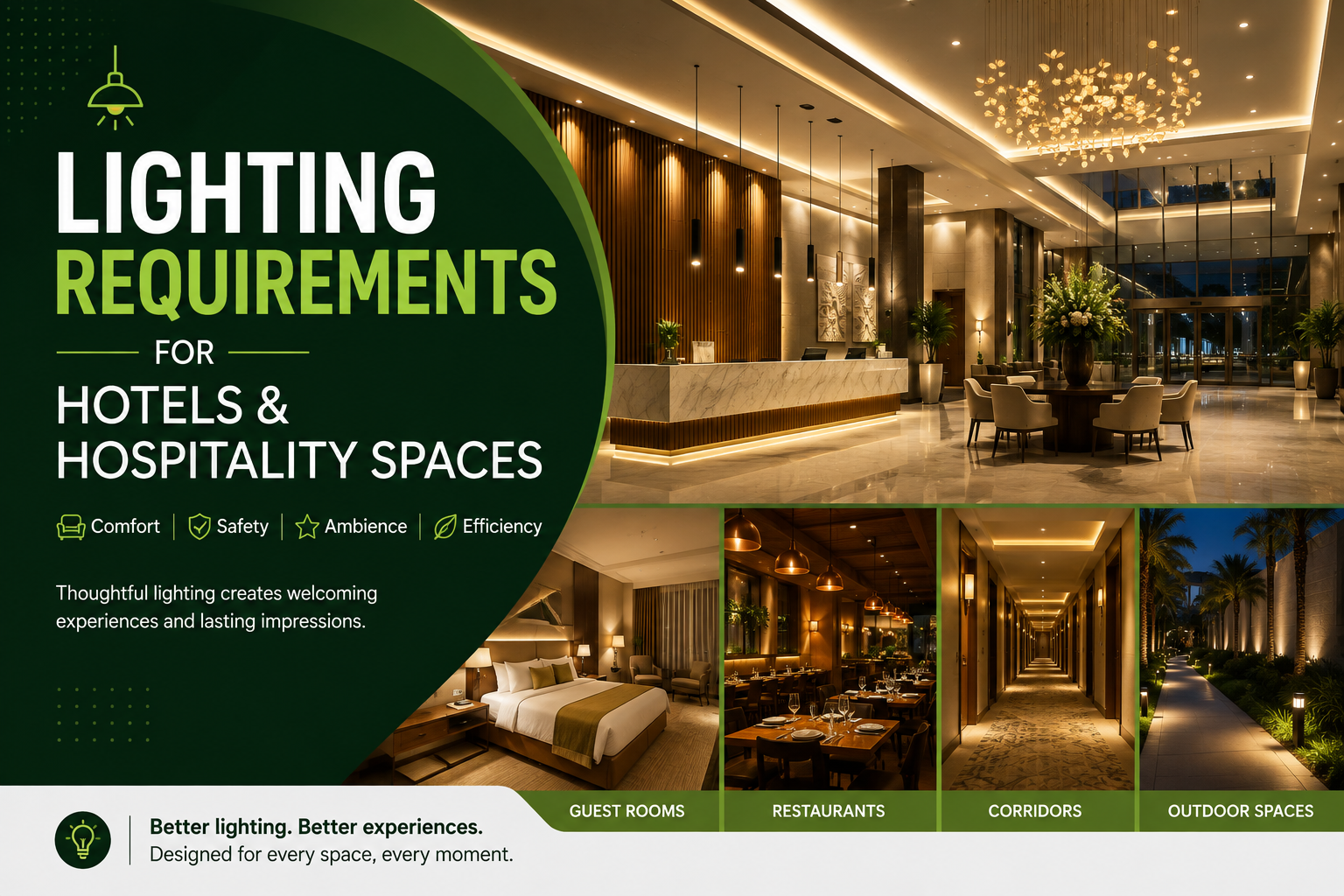
Lighting Requirements for Hotels and Hospitality Spaces
What Is Hospitality Lighting Design?
Hospitality lighting design is the strategic use of lighting to improve the appearance, comfort, functionality, safety, and atmosphere of hotels and hospitality spaces. The right lighting can enhance guest experiences while supporting the property's interior design and brand identity.
Key Lighting Requirements for Hotels
1. Lobby and Reception
The lobby creates the first impression. Use ambient, accent, and decorative lighting to create a welcoming atmosphere while highlighting reception areas and architectural features.
2. Guest Rooms
Guest rooms need flexible lighting for relaxing, reading, working, and sleeping. Bedside lights, ceiling fixtures, wardrobe lighting, task lights, and dimmable controls are useful options.
3. Restaurants
Restaurant lighting should balance visibility and ambience. Pendant lights, accent lighting, recessed fixtures, and concealed lighting can create a comfortable dining environment.
4. Corridors and Stairways
Corridors and stairways require consistent, glare-free illumination for safe and comfortable movement. Linear, recessed, or wall-mounted fixtures can work effectively.
5. Bathrooms
Bathrooms need clear, balanced illumination, particularly around mirrors and vanity areas. Combining general and mirror lighting improves functionality.
6. Outdoor Areas
Entrances, pathways, gardens, parking areas, terraces, and façades need lighting for safety and visual appeal. Landscape and architectural lighting can enhance outdoor spaces.
Benefits of Effective Hospitality Lighting
A well-planned lighting system can:
- Improve guest comfort
- Enhance interior aesthetics
- Highlight architectural features
- Improve safety and navigation
- Create different moods
- Support energy efficiency
- Strengthen hotel branding
Energy-Efficient Hotel Lighting
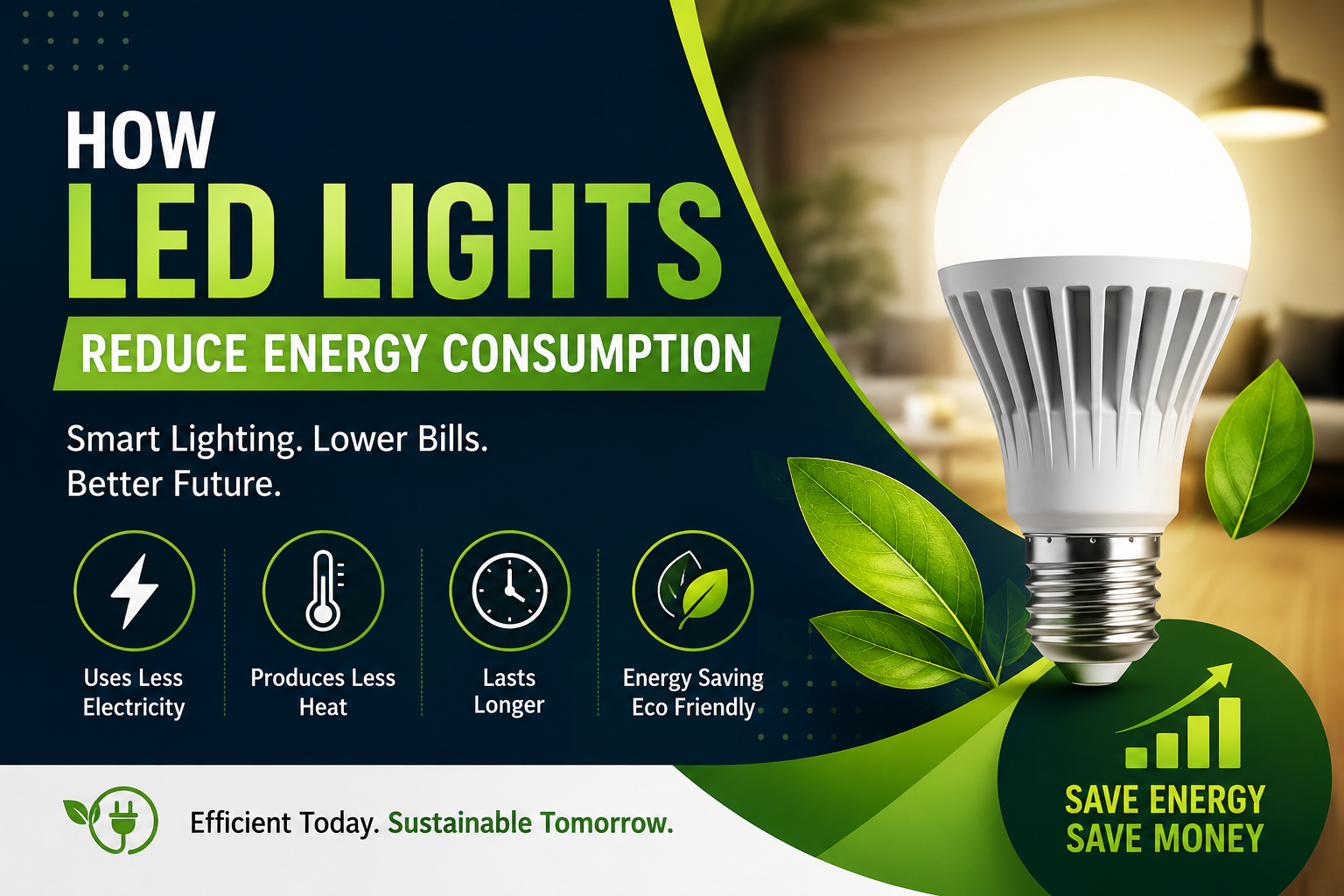
LED lighting, dimmers, occupancy sensors, daylight sensors, and smart controls can help hotels reduce unnecessary energy consumption while maintaining comfortable illumination.
FAQ
What is hospitality lighting design?
It is the planning of lighting systems for hotels and hospitality spaces to improve comfort, functionality, safety, aesthetics, and guest experience.
What lighting is best for hotel rooms?
Layered lighting with ambient, bedside, task, wardrobe, and bathroom lighting provides flexibility and comfort.
Why is lighting important in hotels?
Good lighting creates the right atmosphere, improves visibility, highlights design features, and contributes to a memorable guest experience.
Conclusion
Effective hospitality lighting design combines aesthetics, functionality, comfort, safety, and energy efficiency. By choosing the right fixtures, lighting layers, colour temperatures, and controls, hotels can create attractive spaces that make guests feel comfortable and welcome.