phone: +974 4 409 5443 | 50024300
email: [email protected]
SHOP NUMBER 1,BUILDING NUMBER 2,BARWA VILLAGE,WAKRA

Office Lighting Design Guide: How to Design Lighting for a Modern Office

Office Lighting Design Guide: How to Design Lighting for a Modern Office
Modern office lighting is more than simply installing bright lights on the ceiling. The right lighting design can improve visual comfort, support employee productivity, create a professional atmosphere, and make the workplace more energy efficient.
If you are planning a new office or upgrading an existing workspace, this office lighting design guide explains the key principles, lighting types, colour temperatures, placement strategies, and energy-efficient solutions you should consider.
What Is Office Lighting Design?
Office lighting design is the process of planning and positioning different light sources to provide comfortable, functional, and visually appealing illumination throughout a workplace.
A good office lighting design balances three important factors:
- Visual comfort – reducing glare, shadows, and eye strain
- Functionality – providing sufficient light for different tasks
- Efficiency – reducing unnecessary energy consumption and maintenance costs
Instead of using the same lighting solution everywhere, modern offices typically combine ambient, task, accent, and natural lighting.
Why Is Good Office Lighting Important?
Lighting has a direct impact on how people experience a workplace. Poor lighting can create glare, shadows, and visual discomfort, while an effective lighting plan can make an office feel more comfortable and professional.
The main benefits of good office lighting include:
1. Better Visual Comfort
Employees spend many hours looking at documents, computers, and other screens. Properly distributed light helps create a comfortable visual environment and reduces distracting glare.
2. Improved Workplace Productivity
A well-lit workspace makes it easier for employees to perform detailed tasks and stay comfortable throughout the working day.
3. Professional Office Appearance
Lighting can enhance reception areas, meeting rooms, workstations, corridors, and other important areas of an office.
4. Greater Energy Efficiency
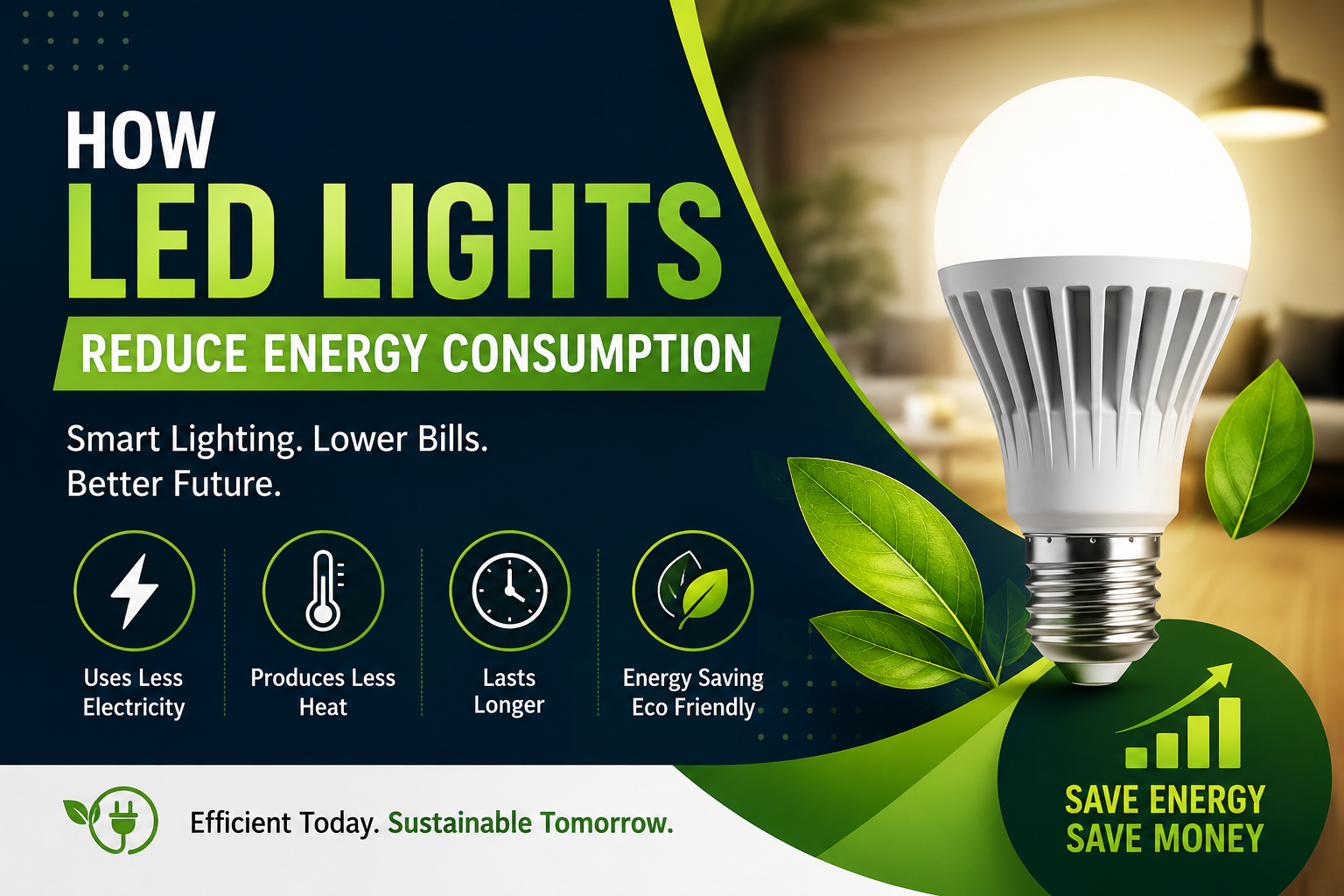
LED lighting combined with occupancy sensors, daylight controls, and smart lighting systems can help reduce unnecessary energy consumption.
5. Lower Maintenance
Modern LED fixtures generally offer long operating lives, helping reduce frequent lamp replacement and maintenance requirements.
What Are the Main Types of Office Lighting?
A successful office lighting design guide should consider different layers of lighting rather than relying on one type of fixture.
Ambient Lighting
Ambient lighting provides the general illumination for a room. Common solutions include LED panel lights, recessed downlights, linear fixtures, and suspended luminaires.
This is usually the foundation of an office lighting plan.
Task Lighting
Task lighting provides additional illumination where employees perform specific activities.
Examples include:
- Desk lamps
- Under-cabinet lights
- Adjustable task fixtures
- Focused lighting for workstations
Task lighting can be particularly useful for detailed work.
Accent Lighting
Accent lighting is mainly used to highlight specific architectural or decorative elements.
It can be used in:
- Reception areas
- Display walls
- Company branding areas
- Decorative features
- Interior design elements
Natural Lighting
Natural daylight is another important component of modern office lighting. Where possible, office layouts should make effective use of windows and daylight while controlling glare and excessive heat.
How to Choose the Right Colour Temperature
Colour temperature influences the appearance and atmosphere of an office.
Common options include:
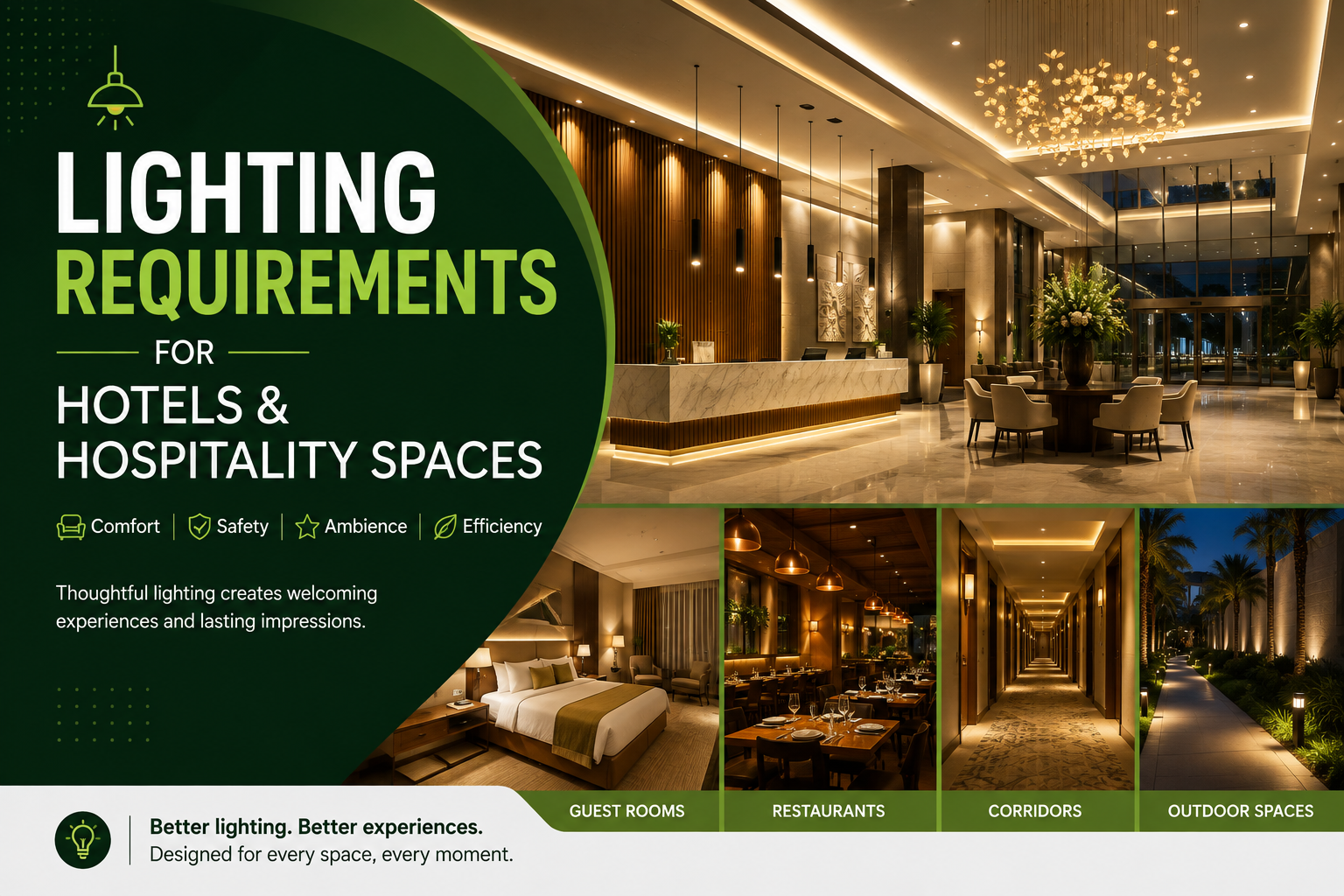
- 3000K: Warm and comfortable; suitable for lounges and hospitality-style spaces
- 4000K: Neutral white; commonly suitable for general office environments
- 5000K: Cooler white; can be useful for areas requiring a crisp, bright appearance
For many modern offices, 4000K is a practical choice because it provides a balanced and professional appearance without feeling excessively warm or cool.
However, the ideal colour temperature should be selected according to the room's purpose, interior design, and user requirements.
Consider Lighting Levels for Different Office Areas
Different areas of an office have different lighting requirements.
Open Workstations
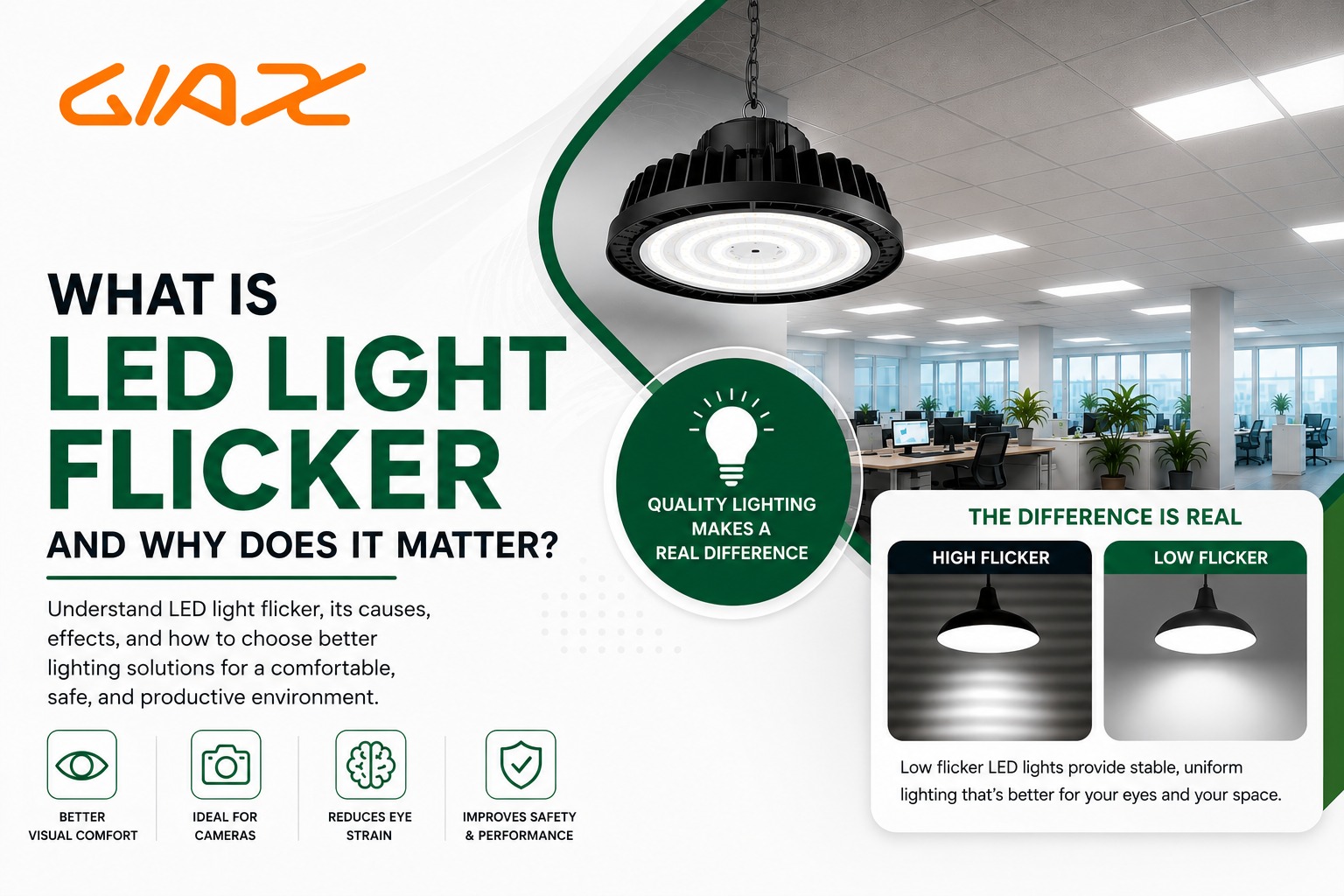
Workstations need comfortable and evenly distributed illumination. Avoid placing fixtures where they create direct reflections on computer screens.
Meeting Rooms
Meeting rooms require balanced lighting for face-to-face communication, presentations, and video conferences.
Layered lighting and dimming controls can make these spaces more flexible.
Reception Areas
Reception areas are often the first point of contact for visitors. A combination of ambient and accent lighting can create a welcoming and professional impression.
Corridors
Corridors generally require consistent illumination and should not have excessive brightness compared with adjacent areas.
Break Rooms and Lounges
These spaces can use warmer and more relaxed lighting to create a comfortable environment.
How to Reduce Glare in an Office
Glare is one of the most important issues to consider when designing office lighting.
To minimise glare:
- Use fixtures with suitable optical control.
- Avoid placing bright light sources directly in the viewing direction.
- Position luminaires carefully around computer workstations.
- Use diffusers or appropriate anti-glare fixtures.
- Combine artificial lighting with controlled daylight.
- Consider the position of windows, monitors, and desks during the design stage.
A good lighting plan should consider not only how much light reaches a workspace, but also where the light comes from and how it is perceived.
Choose Energy-Efficient Office Lighting
Energy efficiency should be a major consideration in any modern office lighting design guide.
LED lighting is widely used because it can provide efficient illumination with long service life. However, simply choosing LED fixtures does not automatically create an energy-efficient lighting system.
Consider combining LED fixtures with:
- Occupancy sensors
- Motion sensors
- Daylight sensors
- Dimming controls
- Timers
- Smart lighting controls
- Zoning
For example, lights in meeting rooms can be automatically reduced or switched off when the room is unoccupied.
Smart Lighting for Modern Offices
Smart lighting systems allow businesses to control lighting according to occupancy, daylight availability, schedules, and user preferences.
A smart office lighting system can provide:
- Automated on/off control
- Dimming
- Occupancy-based lighting
- Daylight harvesting
- Centralised control
- Lighting schedules
- Energy monitoring
This can improve both operational efficiency and user comfort.
Common Office Lighting Design Mistakes
Even good-quality lighting products can perform poorly if they are incorrectly planned or installed.
Avoid these common mistakes:
Using Excessively Bright Lighting
More brightness does not always mean better lighting. Excessive illumination can increase glare and visual discomfort.
Ignoring Computer Screens
Light sources positioned incorrectly can create reflections and make screens difficult to view.
Using One Lighting Type Everywhere
A reception area, workstation, meeting room, and lounge do not necessarily need the same lighting solution.
Forgetting Natural Daylight
Ignoring daylight can lead to unnecessary energy consumption and missed opportunities for a more comfortable workplace.
Choosing Fixtures Only by Appearance
A stylish fixture may not have the right optical performance, efficiency, glare control, or light distribution for the space.
A Simple Office Lighting Design Process
Follow these steps when planning your office lighting:
Step 1: Understand the Space
Measure the room and identify workstations, meeting areas, corridors, windows, and other important zones.
Step 2: Identify the Activities
Determine what employees will do in each area and what type of lighting those activities require.
Step 3: Select the Lighting Layers
Combine ambient, task, accent, and natural lighting where appropriate.
Step 4: Choose Suitable Fixtures
Compare LED panels, linear lights, downlights, suspended fixtures, task lights, and other solutions based on performance rather than appearance alone.
Step 5: Plan Fixture Placement
Position fixtures to achieve even illumination while reducing glare and unwanted shadows.
Step 6: Add Lighting Controls
Consider occupancy sensors, dimming, daylight sensors, and smart controls.
Step 7: Test and Adjust
After installation, evaluate the lighting from actual work positions and make adjustments where necessary.
Frequently Asked Questions
What is the best lighting for a modern office?
For many modern offices, energy-efficient LED fixtures with good glare control, appropriate light distribution, and neutral colour temperature are a practical choice. The exact solution depends on the office layout and activities.
What colour temperature is best for office lighting?
4000K neutral white is commonly suitable for general office environments, although different areas may benefit from different colour temperatures.
How can office lighting reduce eye strain?
Use comfortable, evenly distributed lighting, minimise glare and reflections on screens, make effective use of daylight, and provide suitable task lighting where required.
Are LED lights good for offices?
Yes. LED lighting is widely used in offices because of its energy efficiency, long service life, design flexibility, and availability in different colour temperatures and beam distributions.
How can I make office lighting more energy efficient?
Use efficient LED fixtures together with occupancy sensors, daylight controls, dimming, zoning, and smart lighting systems.
Final Thoughts
A modern office needs lighting that supports people as well as the building itself. The best office lighting design guide approach is to combine visual comfort, functionality, aesthetics, energy efficiency, and smart controls.
Before selecting fixtures, analyse how each space is used, consider natural daylight, plan for glare control, and choose lighting based on performance rather than appearance alone.
With the right strategy, office lighting can create a workspace that is comfortable, productive, professional, and energy efficient.
Looking for the right lighting solution for your office? Work with a professional lighting supplier or lighting designer to evaluate your space and develop a lighting plan suited to your specific requirements.