phone: +974 4 409 5443 | 50024300
email: [email protected]
SHOP NUMBER 1,BUILDING NUMBER 2,BARWA VILLAGE,WAKRA

How to Choose LED High Bay Lights: A Complete Buyer's Guide for Warehouses and Industrial Spaces
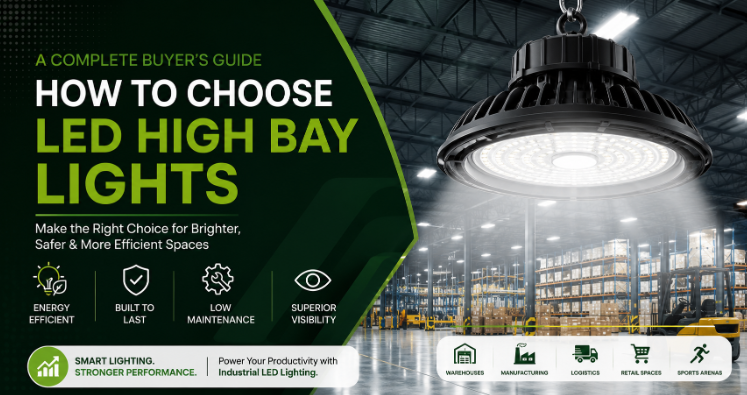
How to Choose LED High Bay Lights: A Complete Buyer's Guide for Warehouses and Industrial Spaces
Introduction
Selecting the right LED High Bay Lights is one of the most important decisions for any commercial or industrial facility. Whether you're upgrading an existing lighting system or planning a new installation, the right fixtures improve visibility, reduce energy costs, increase productivity, and create a safer working environment.
Modern industrial LED lighting has transformed warehouses, factories, logistics centers, sports halls, retail outlets, and manufacturing plants by delivering brighter illumination with significantly lower power consumption compared to traditional lighting technologies.
This comprehensive guide explains everything you need to know before purchasing LED High Bay Lights, including ceiling height, lumen requirements, beam angles, color temperature, IP ratings, and energy efficiency.
What Are LED High Bay Lights?
LED High Bay Lights are powerful lighting fixtures specifically designed for spaces with ceilings typically ranging from 20 to 45 feet (6–14 meters) or higher. Their purpose is to distribute bright, uniform illumination across large open areas while minimizing shadows and dark spots.
Common applications include:
- Warehouses
- Manufacturing facilities
- Industrial plants
- Distribution centers
- Aircraft hangars
- Sports arenas
- Gymnasiums
- Shopping malls
- Exhibition halls
- Cold storage facilities
Unlike conventional metal halide or high-pressure sodium lamps, LED High Bay Lights provide instant illumination, longer service life, and significantly lower maintenance costs.
Why Upgrade to LED High Bay Lights?
Businesses around the world are replacing conventional fixtures with industrial LED lighting because of the long-term advantages.
Major Benefits
Lower Electricity Bills
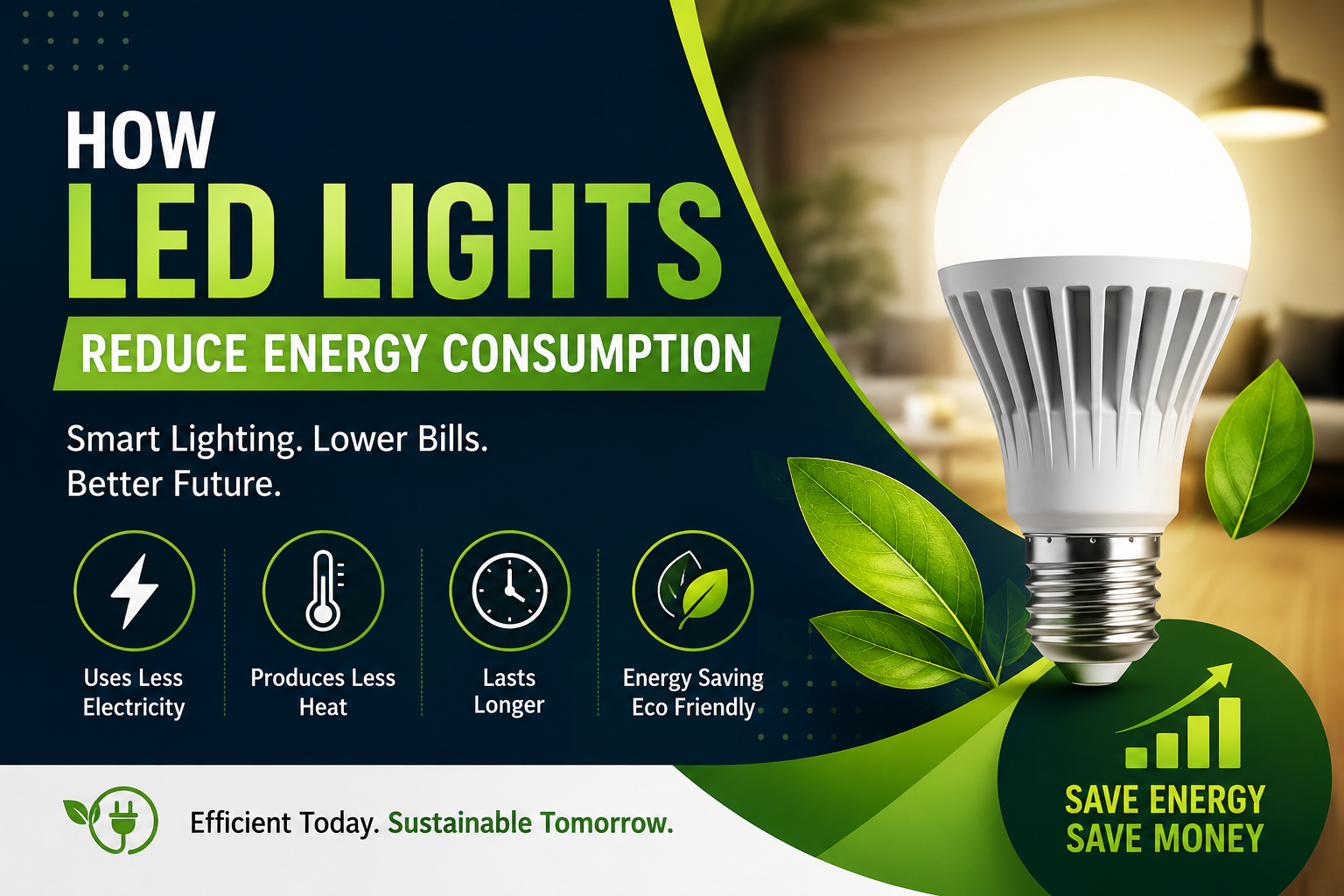
LED technology consumes substantially less power while producing higher light output, helping businesses reduce operational expenses.
Longer Lifespan
Quality LED High Bay Lights typically operate for over 50,000 hours, minimizing replacement frequency.
Better Visibility
Uniform lighting improves employee comfort, increases productivity, and reduces workplace accidents.
Instant Start
Unlike traditional HID lamps, LEDs reach full brightness immediately without warm-up time.
Lower Maintenance
Fewer replacements mean reduced labor costs and less equipment downtime.
Eco-Friendly
LED fixtures contain no mercury and produce lower carbon emissions due to reduced energy consumption.
Factors to Consider Before Choosing LED High Bay Lights
Choosing the right fixture involves more than selecting the highest wattage. Several technical factors influence lighting performance.
1. Ceiling Height
Ceiling height determines the appropriate light output and beam angle.
| Ceiling Height | Recommended Power |
| 15–20 ft | 100W–150W |
| 20–30 ft | 150W–200W |
| 30–40 ft | 240W–300W |
| Above 40 ft | 400W+ |
Installing overly powerful fixtures in lower ceilings can create glare, while underpowered fixtures leave dark areas.
2. Required Brightness (Lumens)
Lumens indicate the total amount of light produced.
Typical recommendations:
- Small warehouses: 15,000–20,000 lumens
- Medium industrial facilities: 20,000–30,000 lumens
- Large production plants: 30,000–50,000 lumens
Always calculate lighting requirements based on room dimensions and work activities.
3. Beam Angle
The beam angle controls how light spreads.
Narrow Beam (60°)
Best for:
- Very high ceilings
- Storage racks
- Vertical illumination
Medium Beam (90°)
Suitable for:
- Standard warehouses
- Manufacturing floors
- Logistics centers
Wide Beam (120°)
Ideal for:
- Retail stores
- Sports halls
- Large open workspaces
Proper beam selection ensures even light distribution without excessive overlap.
4. Color Temperature
Color temperature affects visibility and workplace comfort.
4000K (Neutral White)
Suitable for:
- Workshops
- Production areas
- General industrial spaces
5000K (Daylight White)
Best for:
- Warehouses
- Distribution centers
- Precision work
6500K (Cool White)
Recommended where maximum brightness and visibility are required.
For most industrial environments, 5000K is considered the ideal balance.
5. Color Rendering Index (CRI)
CRI measures how accurately colors appear under lighting.
Recommended values:
- CRI 80+ for standard industrial applications
- CRI 90+ for inspection areas, laboratories, and quality control
Higher CRI improves visual accuracy and reduces errors.
6. Energy Efficiency
High-quality LED High Bay Lights deliver excellent efficacy.
Look for fixtures producing:
- 140–170 lumens per watt
Higher efficacy means lower energy consumption while maintaining brightness.
7. IP Rating
Industrial environments often expose lighting to dust, moisture, or water.
Common ratings include:
- IP65 – Dust-tight and water-resistant
- IP66 – Heavy-duty water protection
- IP67 – Temporary water immersion
Select an IP rating suitable for your environment.
8. Mounting Method
Different facilities require different installation methods.
Popular options include:
- Hook mounting
- Pendant mounting
- Surface mounting
- Chain suspension
Choose fixtures compatible with your building structure.
9. Heat Management
Efficient heat dissipation directly impacts LED lifespan.
Look for:
- Die-cast aluminum housing
- Advanced heat sinks
- High-quality thermal management systems
Lower operating temperatures improve long-term reliability.
10. Warranty and Certifications
Always choose certified products from reputable manufacturers.
Important certifications include:
- CE
- RoHS
- IEC compliance
- LM-80 testing
- ISO-certified manufacturing
A warranty of 3–5 years demonstrates manufacturer confidence.
How Many LED High Bay Lights Do You Need?
The required number depends on:
- Floor area
- Ceiling height
- Desired lux level
- Beam angle
- Fixture spacing
Professional lighting calculations help eliminate dark spots while preventing unnecessary energy use.
LED High Bay Lights vs Traditional Metal Halide Lights
| Feature | LED High Bay Lights | Metal Halide |
| Energy Consumption | Low | High |
| Lifespan | 50,000+ hours | 10,000–15,000 hours |
| Warm-up Time | Instant | Several minutes |
| Maintenance | Minimal | Frequent |
| Light Quality | Consistent | Declines over time |
| Environmental Impact | Eco-friendly | Higher energy use |
LED technology provides superior efficiency and lower lifetime costs.
Common Mistakes to Avoid
Avoid these common errors when selecting lighting:
- Choosing wattage instead of lumen output
- Ignoring ceiling height
- Selecting the wrong beam angle
- Overlooking IP ratings
- Buying uncertified products
- Installing too few fixtures
- Ignoring color temperature requirements
Proper planning ensures optimal performance and long-term savings.
Industries That Benefit from Industrial LED Lighting
Many industries rely on high-performance lighting.
Examples include:
- Warehousing
- Manufacturing
- Automotive workshops
- Logistics centers
- Cold storage
- Food processing
- Aviation hangars
- Sports complexes
- Retail warehouses
- Exhibition centers
Each application benefits from improved visibility, energy savings, and reduced maintenance.
Maintenance Tips for LED High Bay Lights
Although LEDs require little maintenance, regular care extends performance.
Best practices include:
- Clean lenses periodically
- Inspect mounting hardware
- Remove accumulated dust
- Check electrical connections
- Replace damaged drivers promptly
- Conduct annual lighting inspections
Preventive maintenance keeps lighting systems operating efficiently.
Frequently Asked Questions (FAQ)
What ceiling height is suitable for LED High Bay Lights?
LED High Bay Lights are generally recommended for ceilings above 20 feet (6 meters). Lower ceilings are often better suited to low bay lighting.
How long do LED High Bay Lights last?
Quality fixtures typically provide over 50,000 hours of service, with premium models reaching 100,000 hours under ideal conditions.
Which color temperature is best for warehouses?
A 5000K daylight white color temperature offers excellent visibility and is widely used in warehouse and industrial environments.
Are LED High Bay Lights energy efficient?
Yes. They use significantly less electricity than traditional metal halide or fluorescent systems while delivering higher-quality illumination.
Can LED High Bay Lights be used in dusty environments?
Yes. Choose fixtures with an IP65 or higher rating for protection against dust and moisture.
Final Thoughts
Investing in the right LED High Bay Lights can significantly improve workplace safety, reduce energy costs, and enhance operational efficiency. By evaluating ceiling height, lumen output, beam angle, color temperature, CRI, IP rating, and overall build quality, businesses can select a lighting solution that delivers reliable performance for years.
Modern industrial LED lighting is more than an energy-saving upgrade—it's a long-term investment in productivity, sustainability, and operational excellence. Whether you're outfitting a warehouse, factory, or distribution center, choosing the right LED High Bay Lights will ensure brighter spaces, lower maintenance, and substantial savings over the life of the system.
Upgrade to smarter, brighter, and more efficient LED High Bay Lights—because every workspace deserves professional lighting.