phone: +974 4 409 5443 | 50024300
email: [email protected]
SHOP NUMBER 1,BUILDING NUMBER 2,BARWA VILLAGE,WAKRA

Solar Lighting Maintenance Tips: A Complete Guide for Better Performance
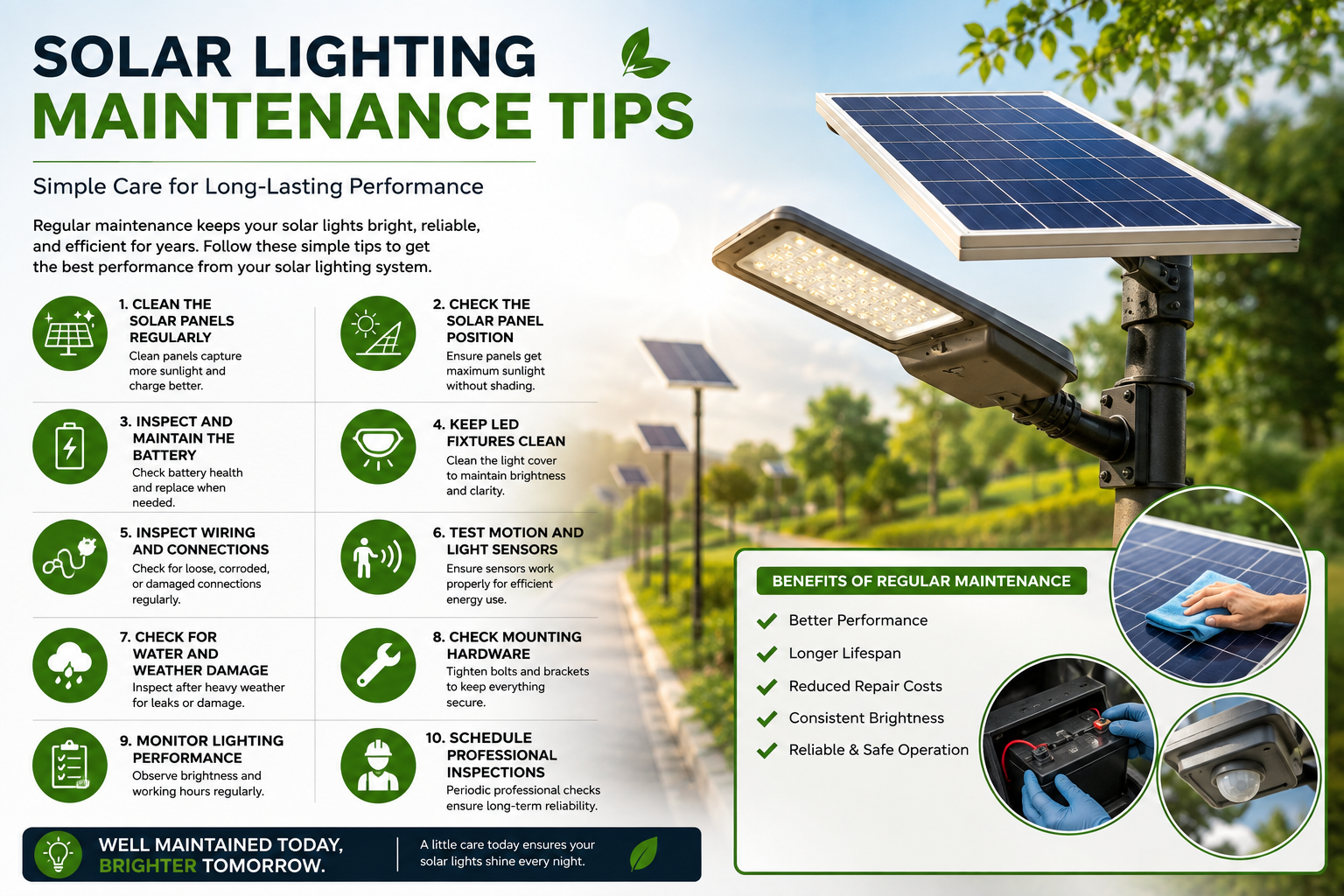
Solar Lighting Maintenance Tips: A Complete Guide for Better Performance
Solar lighting is an energy-efficient and environmentally friendly solution for gardens, pathways, streets, parking areas, commercial spaces, and outdoor security. Because solar lights use sunlight to generate their own power, they can reduce electricity consumption and simplify installation.
However, even good-quality solar lighting needs regular care. Dusty solar panels, aging batteries, damaged connections, and poor placement can reduce brightness and operating time. Following the right Solar Lighting Maintenance practices helps keep your lights working efficiently and can extend the life of the system.
Why Is Solar Lighting Maintenance Important?
Solar lights operate through a combination of solar panels, rechargeable batteries, LED fixtures, controllers, sensors, and wiring. During the day, the solar panel converts sunlight into electrical energy and stores it in the battery. At night, the stored energy powers the LED light.
Outdoor exposure can gradually affect this process. Dust, dirt, leaves, bird droppings, moisture, extreme temperatures, and component wear can all reduce performance. Regular maintenance helps you identify these issues before they lead to system failure.
Proper maintenance can help:
- Maintain efficient solar charging
- Improve night time lighting performance
- Extend battery and component life
- Reduce unexpected failures
- Lower repair and replacement costs
- Maintain consistent brightness and reliability
1. Clean the Solar Panels Regularly
Keeping the solar panel clean is one of the most important Solar Lighting Maintenance tasks. A layer of dust or dirt can block sunlight and reduce the amount of energy the panel generates.
Inspect the panels regularly and clean them using a soft cloth or sponge with water. For stubborn dirt, use a mild cleaning solution suitable for the panel surface. Avoid abrasive materials that could scratch the protective surface.
The cleaning frequency depends on the environment. Solar lights installed in dusty, sandy, industrial, or high-traffic areas may require more frequent cleaning.
2. Check the Solar Panel Position
A clean solar panel will still perform poorly if it does not receive enough direct sunlight. Trees, buildings, signs, new construction, and other objects can create shade that was not present when the system was originally installed.
Check the solar panel periodically to make sure it receives sufficient sunlight during the day. Remove nearby leaves or branches where appropriate and verify that the panel has not shifted from its intended angle.
Good solar exposure helps the battery reach an adequate charge for reliable night time operation.
3. Inspect and Maintain the Battery
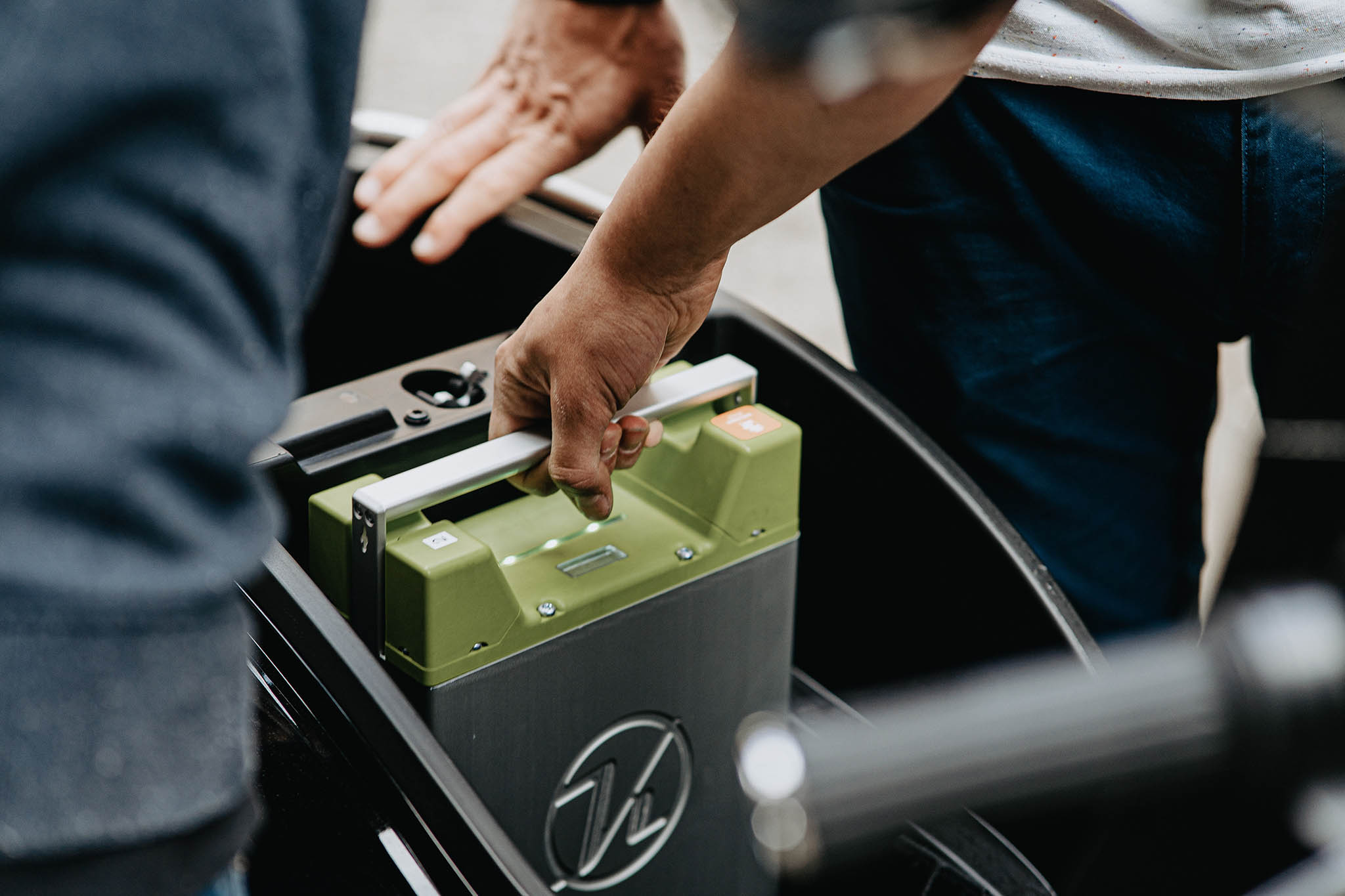
The rechargeable battery is a critical part of any solar lighting system. Over time, batteries naturally lose capacity and may no longer store enough energy to operate the light throughout the night.
Common signs of battery deterioration include:
- Reduced operating hours
- Dimmer light output
- Lights switching off earlier than expected
- Inconsistent operation
- Failure to operate after cloudy days
Check the battery according to the manufacturer's maintenance recommendations. When replacement becomes necessary, use a battery with the correct voltage, capacity, chemistry, and specifications for the lighting system.
4. Keep LED Fixtures Clean
Solar panels are not the only components that collect dirt. LED lenses and fixtures can also become covered with dust, insects, debris, or other outdoor contaminants.
Clean the fixture carefully with a soft cloth to maintain good light distribution. During cleaning, inspect the lens or housing for cracks, discoloration, moisture ingress, or other signs of damage.
A clean fixture helps ensure that the available LED output is delivered effectively to the intended area.
5. Inspect Wiring and Connections
Solar lighting systems may include cables and electrical connections between the panel, battery, controller, and light fixture. Outdoor conditions can gradually affect these connections.
Periodically inspect accessible wiring for:
- Loose connections
- Corrosion
- Damaged insulation
- Exposed wires
- Moisture-related damage
- Signs of wear or physical impact
Electrical repairs should be handled by a qualified technician, particularly for larger commercial or street-lighting installations.
6. Test Motion and Light Sensors
Many modern solar lights use dusk-to-dawn sensors, PIR motion sensors, timers, or intelligent controllers to manage energy consumption.
Test these features periodically. If a motion-activated light does not respond correctly, first check whether dirt or an obstruction is covering the sensor. Also make sure the sensor has not shifted away from the required detection area.
Correct sensor operation can help conserve stored battery energy while providing light when it is actually needed.
7. Check for Water and Weather Damage
Outdoor solar lighting is designed to handle environmental exposure, but seals, housings, mounting points, and other components can deteriorate over time.
After heavy rain, storms, or severe weather, inspect the system for visible damage. Look for water inside the fixture, cracked covers, loose mounting hardware, corrosion, or damaged panels.
If water has entered an electrical enclosure, avoid operating or repairing the system yourself unless you are qualified to do so.
8. Check Mounting Hardware
Wind, vibration, storms, and accidental impact can loosen mounting brackets and fasteners. Check poles, wall brackets, panel mounts, screws, and other hardware periodically.
Make sure the solar panel and lighting fixture remain secure and correctly positioned. This is particularly important for solar street lights and commercial installations where loose components can create safety risks.
9. Monitor Lighting Performance
One of the easiest maintenance practices is simply observing how the solar lights perform.
Pay attention to:
- Brightness after sunset
- Total operating time
- Charging performance
- Motion sensor response
- Flickering or intermittent operation
- Differences between similar lights in the same location
A noticeable change in performance can indicate a dirty panel, battery deterioration, shading, connection problems, or component failure.
10. Schedule Professional Inspections
Small residential solar garden lights may only require basic cleaning and battery replacement. Larger systems such as solar street lights, parking-area lights, commercial outdoor lighting, and integrated solar systems can benefit from scheduled professional inspections.
A qualified technician can evaluate battery condition, electrical connections, controllers, mounting structures, solar panels, LEDs, and overall system performance.
Preventive inspections can help identify problems early and reduce costly downtime.
How Often Should Solar Lights Be Maintained?
There is no single maintenance schedule suitable for every solar lighting system. Maintenance frequency depends on the installation environment, weather, system design, manufacturer recommendations, and usage.
As a practical approach, visually inspect the lights regularly and clean the panels whenever dirt accumulation becomes noticeable. Systems installed in dusty or harsh environments should generally be checked more frequently.
Always follow the maintenance instructions provided by the solar lighting manufacturer.
Common Solar Lighting Problems and Solutions
Solar Light Is Not Turning On
Check whether the solar panel receives enough sunlight and make sure it is clean. Inspect the battery, sensor, controller, and accessible connections. If the issue continues, professional diagnosis may be necessary.
Solar Light Is Dim
A dirty panel or LED lens can reduce performance. Battery deterioration, insufficient charging, or excessive shading may also cause reduced brightness.
Solar Light Does Not Last Through the Night
This can happen when the battery is not receiving or storing enough energy. Check for panel shading, dirt accumulation, poor weather conditions, or an aging battery.
Motion Sensor Is Not Working Properly
Clean the sensor and make sure nothing blocks its detection area. Verify its positioning and settings where applicable.
Benefits of Regular Solar Lighting Maintenance
A consistent maintenance routine protects your investment and improves the reliability of your lighting system. Clean solar panels capture sunlight more effectively, healthy batteries store energy more reliably, and properly maintained LEDs and sensors provide better night time performance.
Regular Solar Lighting Maintenance can also reduce unnecessary component replacements and help ensure that outdoor spaces remain safely and consistently illuminated.
Conclusion
Solar lighting offers an efficient way to illuminate outdoor spaces using renewable energy, but long-term performance depends on proper care. Cleaning solar panels, checking batteries, inspecting fixtures and connections, testing sensors, monitoring performance, and addressing weather-related damage are simple but important maintenance practices.
By following these Solar Lighting Maintenance Tips, homeowners, businesses, and facility managers can improve system reliability, maintain effective illumination, and extend the useful life of their solar lighting installations.
For the best results, always follow the manufacturer's maintenance and replacement recommendations and use qualified professionals for electrical repairs or complex system inspections.